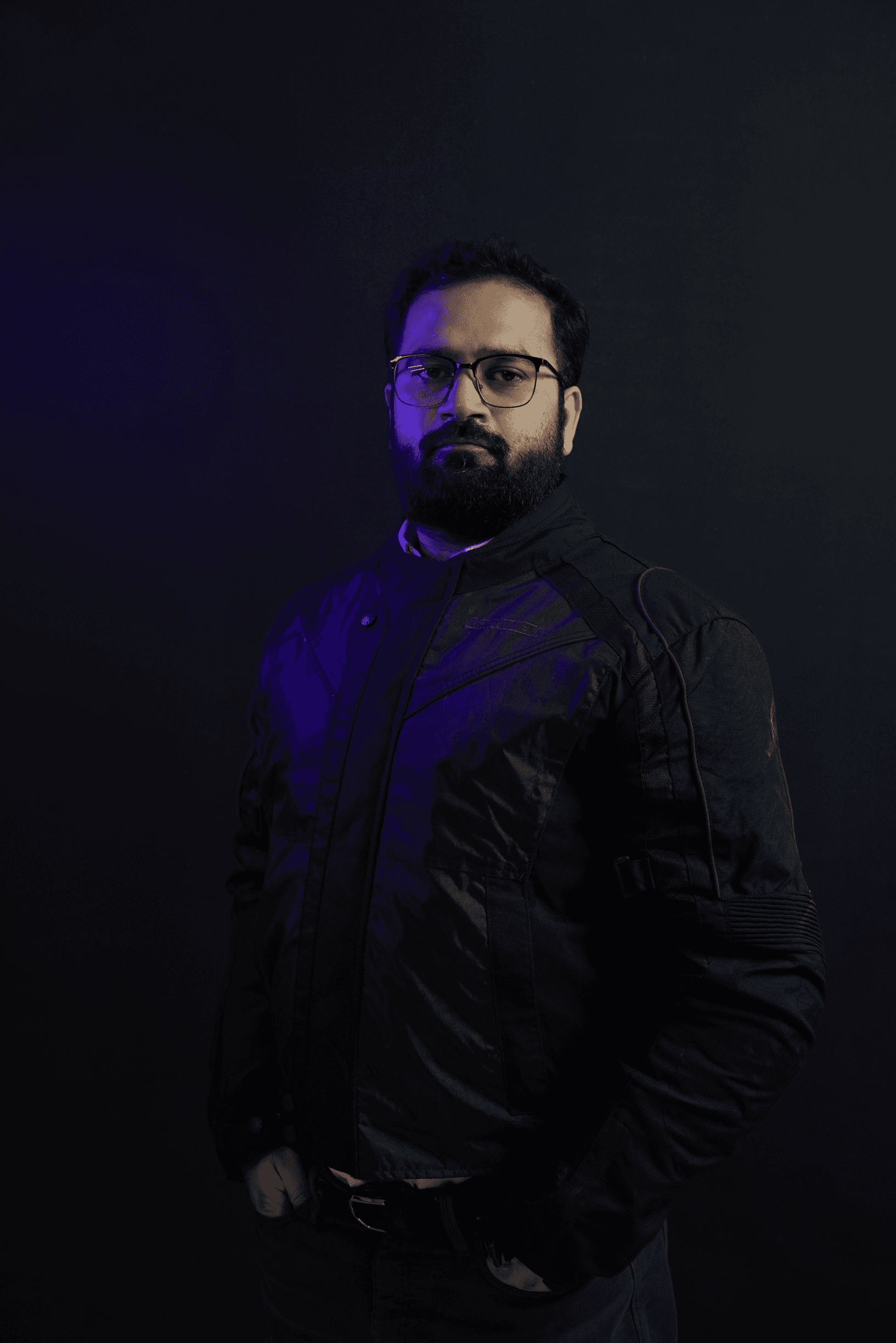
Conversational & AI-native Experience Designer | UX Engineer
FarrukhSarwar
BASED IN Barcelona
12+ years, design and codeselected work
Six projects that show how I work: research first, system before screens, and code shipped alongside the design. Each one names what I owned, what I decided, and what happened.
Tradezella
PaidAnyday
I design it.
I ship it.
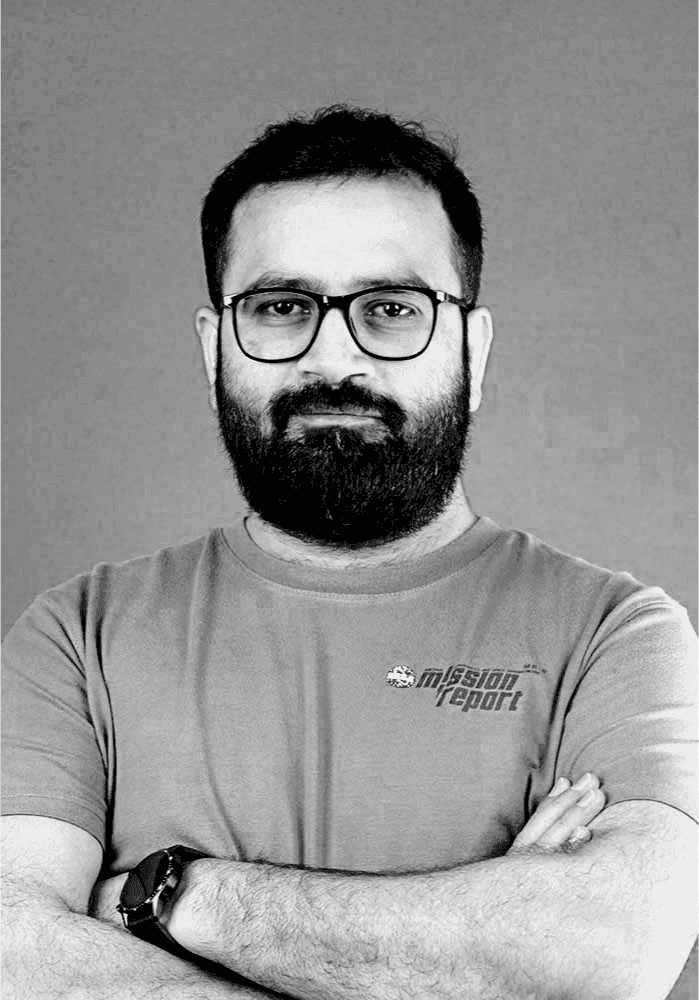
I design conversational and AI-native products, and the enterprise platforms around them, CRM, ERP, field-sales and analytics tools, for fintech, Web3, AI and healthcare teams. Then I build the front end in React so the design survives contact with production.
Twelve years in, the job is still the same: find the real problem, decide in writing, then ship. I have led design for a Web3 studio, headed the front-end and UX department at Tkxel, and founded a UX practice that grew from 5 to more than 40 people. Today I run UX delivery at reloadux, where a design system and its React components leave my hands together.
Open to senior and lead roles in conversational and AI-native experience design, product design, UX engineering and design engineering, in Barcelona, remote across Europe, or with relocation inside the EU.
Based in Barcelona, authorised to work in the EU. Available to start within 15 days.









what I do
on a product team
(1)
Product & UX design
Discovery, research, information architecture, flows, prototypes and usability testing, from conversational AI assistants to CRM, ERP and field-sales back offices. I write the problem statement and the success criteria before I open Figma, and I keep the scope decisions.
(2)
Design systems & UX engineering
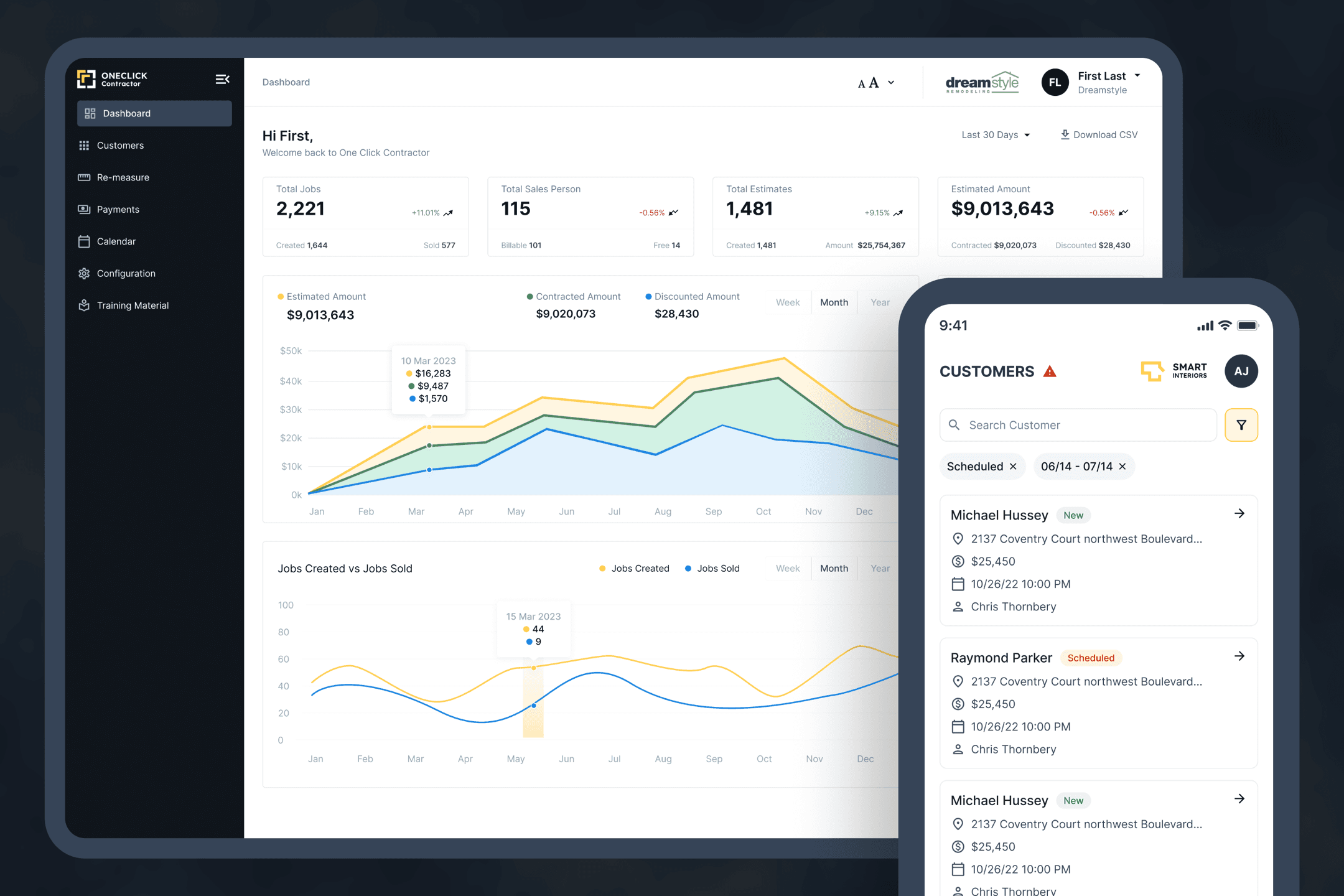
Tokens, components, Storybook, and the React, Next.js and TypeScript code that matches. At Tkxel I built the organisation-wide design system from zero: 200+ components, 85% adoption across four product teams, project setup time cut by 60%.
(3)
AI-native experience design
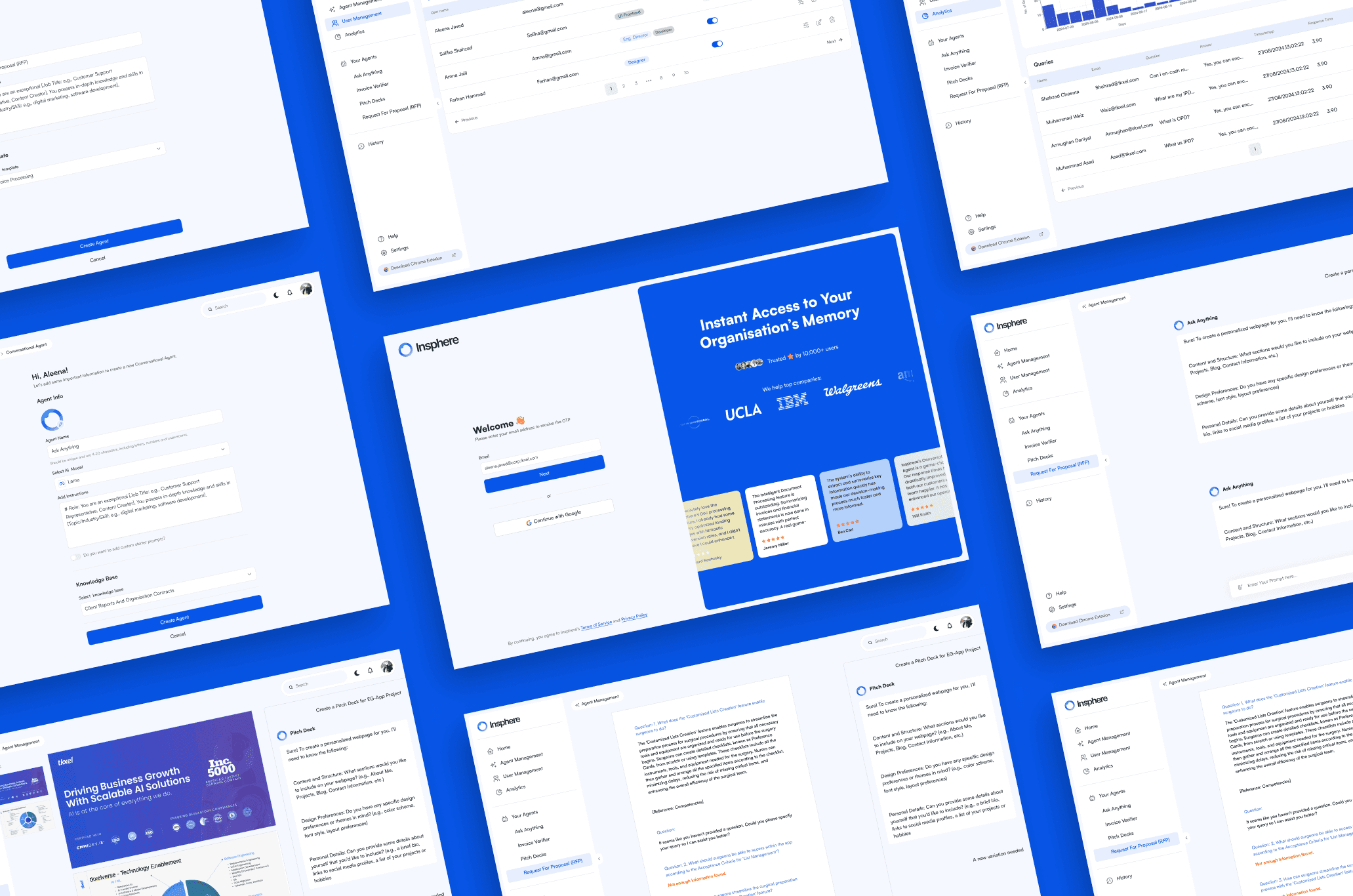
Conversational and agentic patterns, trust and confidence states, human-in-the-loop review. Plus an AI-assisted design-to-code workflow with Claude, Cursor and Codex that turns a Figma library into production components in days rather than weeks.
how I work
01
Discover
Getting from an assumption to evidence about the real problem. A founder session, a competitor scan taken from the record rather than the marketing page, and interviews where the concept is described last and the current behaviour first.
02
Define
Turning raw research into a decision about what to build and what to cut. The highest leverage phase in any project, and the one that gets skipped most.
03
Design
System first, screens second. Tokens and components before any screen is drawn, so a late brand change costs a values swap instead of a rebuild.
04
Validate
Finding out what is broken while it is still cheap to fix. Test the hardest screen, not the demo path.
05
Build
The phase most designers hand off at. I do not, and it is the reason the process holds together. Accessibility lives inside the build, not at the end of it.
06
Ship and learn
Shipping is the middle of the process, not the end. The metric that says whether the product works is decided before the screen that captures it is drawn.
Where I do not use AI
AI removes about a third of my calendar time and none of my decisions. I keep final scope decisions, accessibility sign-off, and running interviews and test sessions for myself. What I do with the time it gives back is a second round of user interviews, which is the thing that used to always get cut.
EXPERIENCE
reloadux
UX Delivery Lead
Aug 2023 to present
Directing UX delivery for client products, from research and information architecture through to shipped React and Next.js front ends. Leading AI-native experience design, including chat, assistant and copilot patterns, and an AI-assisted design-to-code workflow that hands engineering production-ready components, tokens and documentation alongside Figma.
Nitro League
User Experience Lead
Jan 2022 to Aug 2023
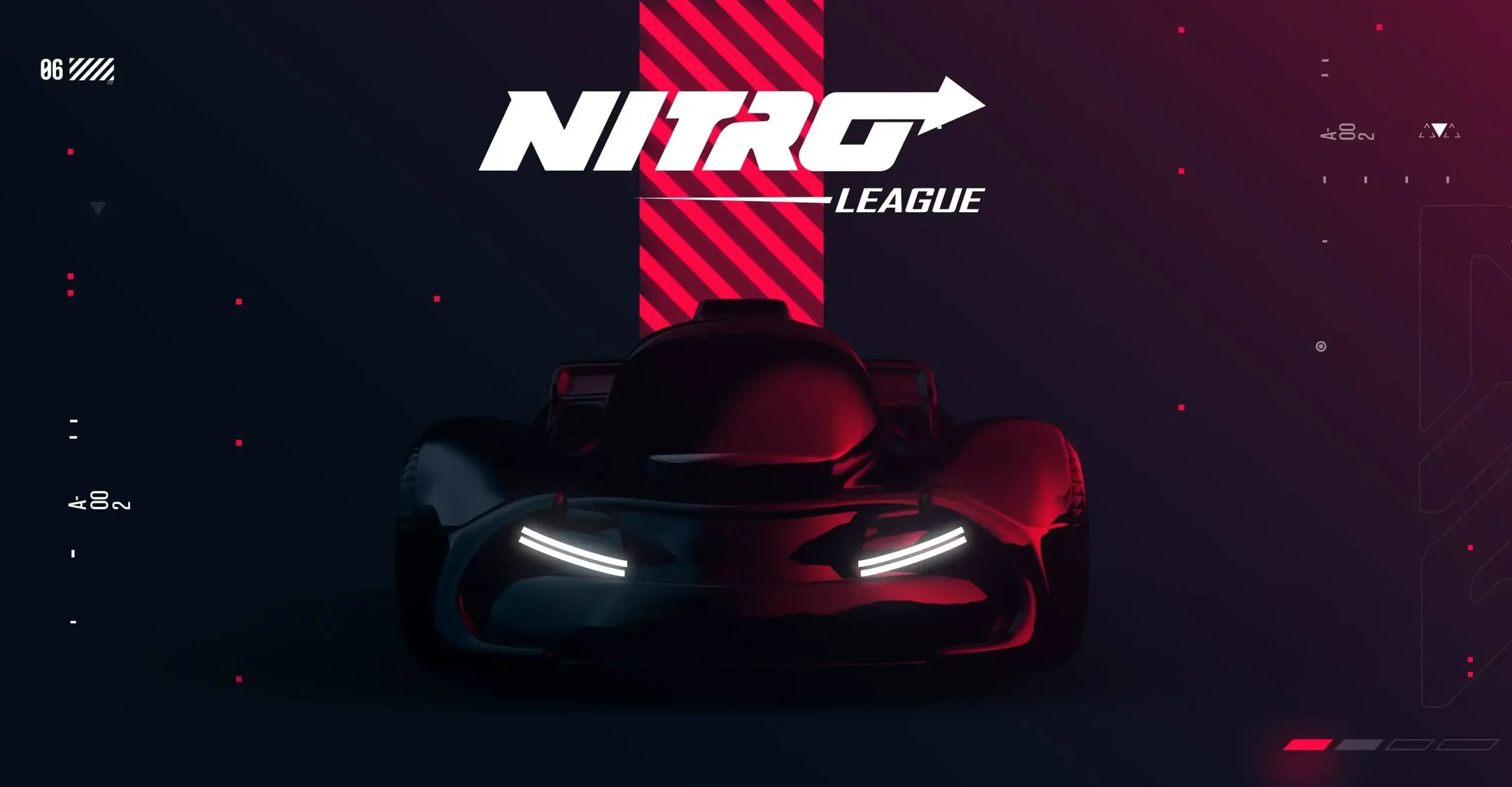
Owned design strategy for a Web3 racing metaverse: personas, journeys, prototypes and usability testing with Concept Art, Unity3D, Marketing and Game Economy teams. Designed and built the marketing site and led front-end development of the Nitro Arcade web app in Next.js.
Tkxel
Senior UI/UX Consultant & Front-End Engineer
Jul 2018 to Jun 2022
Progressed from front-end engineer to UX lead over four years. Headed the Front-End and UI/UX department, set design process, design-system and accessibility standards, and built the organisation-wide design system: 200+ components, 85% adoption across four product teams.
netnock
Web & Mobile UI Developer
Aug 2014 to Jun 2018
Designed website and mobile UI and built it as responsive HTML and CSS, CMS templates and hybrid mobile apps.
Earlier career
Web & UI Designer
2013 to 2016
Al-Terk Solutions in Dubai, Aims Vision in Lahore and ADDO+ on contract: brand, web and visual design foundations across agency and in-house teams.
crafting with these
Design
Figma (Auto Layout, Variables, Dev Mode), FigJam, Miro, design tokens, component libraries, Storybook
Code
TypeScript, React, Next.js, Node.js, Tailwind CSS, REST APIs, Git, responsive and mobile-first builds
Research
User interviews, usability testing, quantitative UX research, A/B testing, heuristic evaluation, analytics-informed iteration
AI
Conversational and agentic UX, prompt engineering, AI-assisted design-to-code with Claude, Cursor and Codex
Accessibility
WCAG 2.2 AA, EN 301 549 and the European Accessibility Act, inclusive design
Languages
English (native), Urdu (native), Spanish (learning, A2)
education
Master's Degree
Information Technology University (ITU), Lahore
BS Computer Science
COMSATS Institute of Information Technology, dual degree with Lancaster University, UK
certifications
Google UX Design Professional Certificate
Design for AI
Interaction Design Foundation
Data-Driven Design: Quantitative Research for UX
Interaction Design Foundation
The Practical Guide to Usability
Interaction Design Foundation
Frequently
Asked Questions
let's talk
about your team