Nitro League
Making a Web3 racing game feel like a game, not a wallet.
Nitro League is a play-to-earn racing metaverse with upgradeable NFT cars, a marketplace, tournaments and a token reward engine, built for three audiences at once: gamers, NFT collectors and investors. Working through reloadux, the agency on the account, I was User Experience Lead from ideation to go-to-market, owning design strategy end to end and leading front-end development of the Nitro Arcade web app.
Role
User Experience Lead
Client
Nitro League, Dubai, through reloadux
Timeline
Jan 2022 to Aug 2023
Platform
Web app (Next.js), marketing site, game UI, mobile
Live
Visit site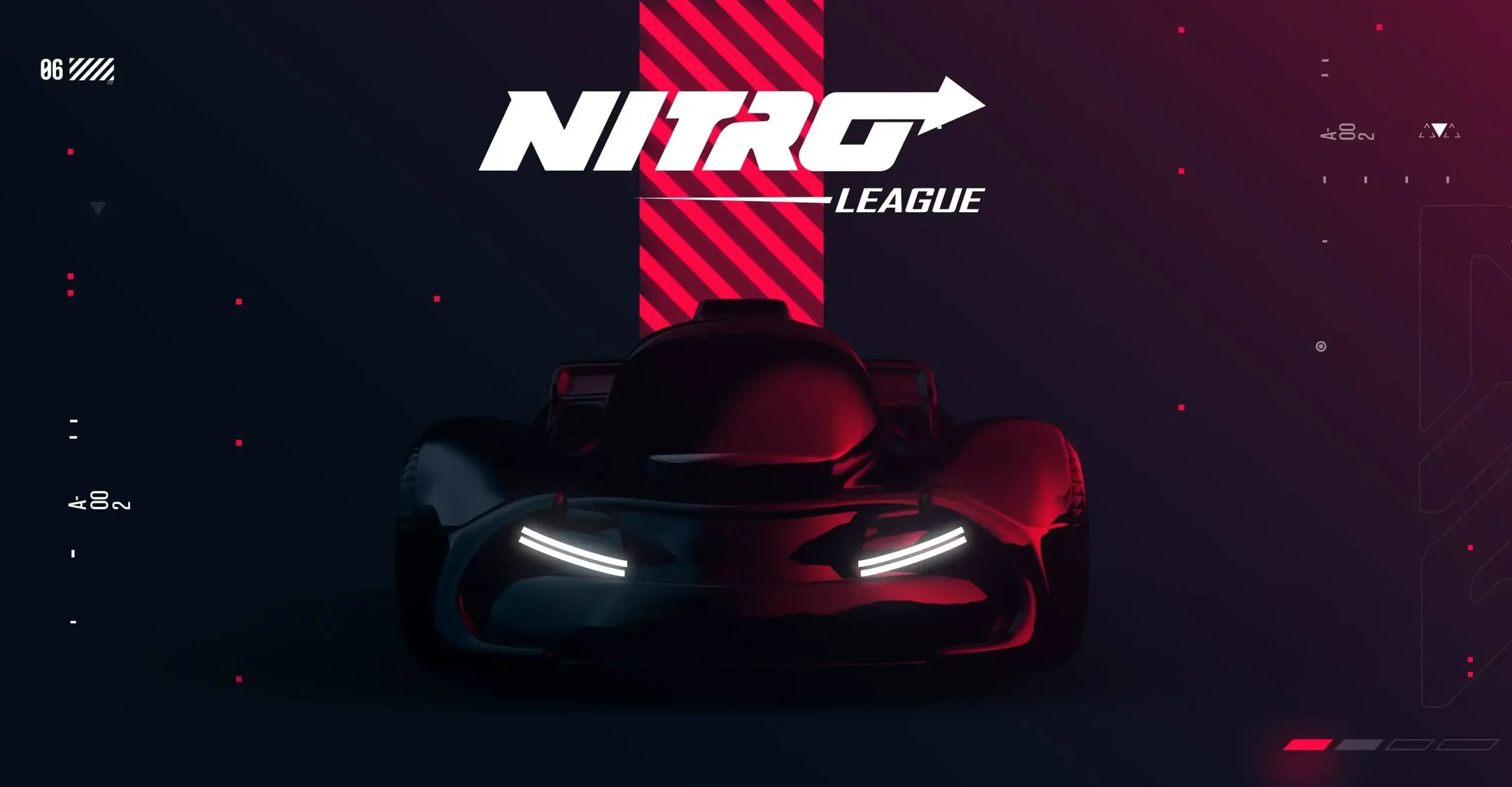
$5M
Raised in three months, with the MVP design and investor demos in the room
5
Moderated usability sessions in round one, recruited from the community
4
Teams designed alongside: Concept Art, Unity3D, Marketing, Game Economy
Context
A decentralised racing metaverse where players earn tokens by racing futuristic cars competitively or exploring the world casually. The product spanned an NFT marketplace for minting, buying and selling cars, a tournament system with brackets, matchmaking and live leaderboards, player progression, a 3D garage, and a token-based reward engine.
It launched into a hard market. Most people were unfamiliar with crypto and blockchain, and investors were wary of putting money into products whose authenticity and return they could not judge. The platform had to convince three audiences at once: gamers who wanted a racing game, collectors who wanted the cars, and investors who wanted a whitepaper and a token model they could believe.
I owned design strategy end to end: personas, journeys, workflows, wireframes, high-fidelity mockups and interactive prototypes, working daily with the Concept Art, Unity3D, Marketing and Game Economy teams. The work ran from ideation and conceptualisation through art direction, modelling, MVP launch planning, game and website design, and the enhancements that followed launch.
Research and testing
The project opened with product discovery and stakeholder interviews. Those became the user flows and the detailed whitepaper that the game economy, the token and the roadmap were written against, so every later screen had a documented reason to exist.
Token-economy flows are hard to get right for a global audience, so I ran usability testing before launch rather than after. Round one was five moderated sessions with gamers recruited through the community, screened against a tester persona and onboarded with a small campaign of social posts, an application form and a confirmation email.
The goals were concrete: players' impression of the garage and game UI, the behaviours and hurdles they hit while exploring gameplay, and a classified list of valid problems to fix. Round two was scoped as unmoderated and global, with goals and metrics revised from what round one found.
Concept and art direction
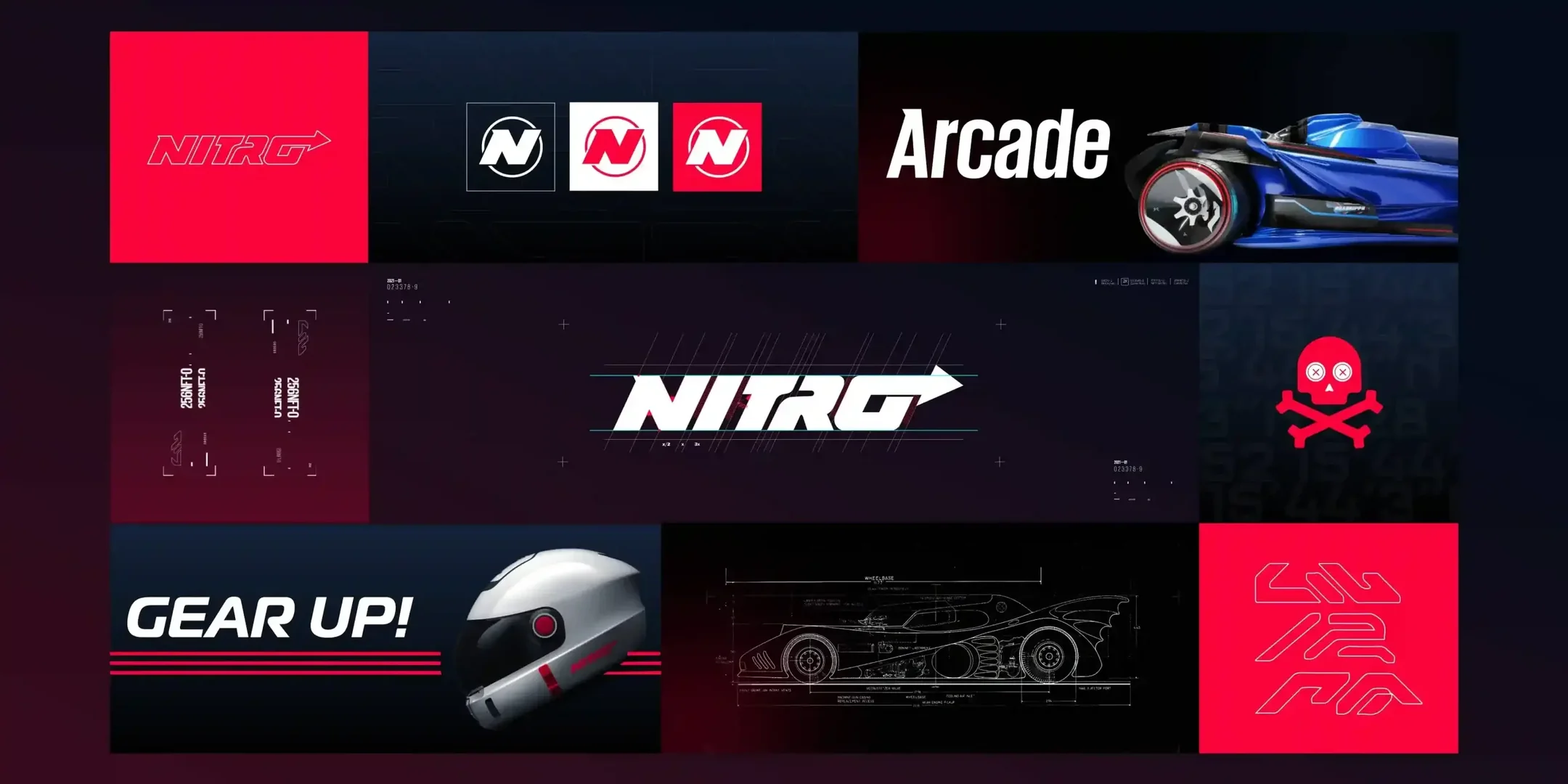
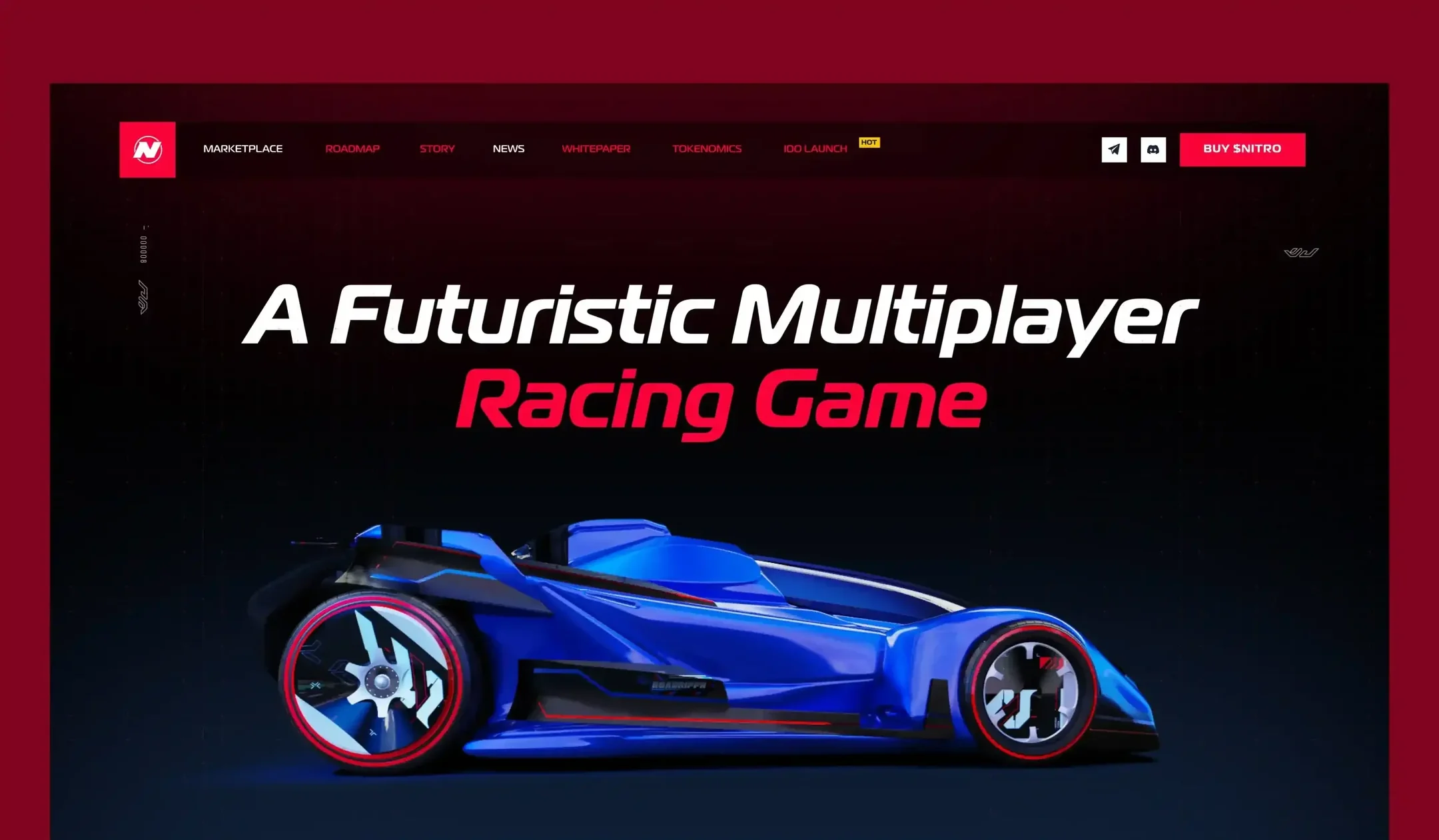
Branding came out of workshops rather than a logo brief: the Nitro wordmark with its arrow, the N roundel in three treatments, a red and navy palette with hazard stripes, and a visual language of blueprints and helmets that could stretch from the website to the game HUD.
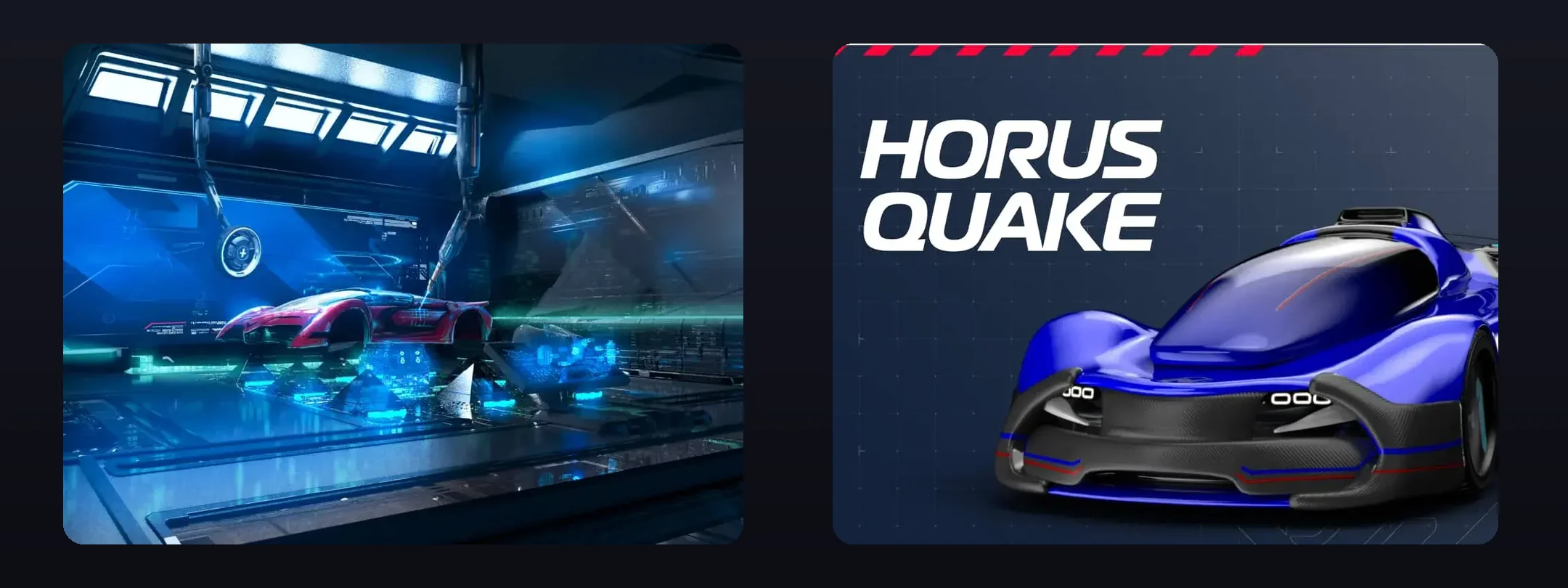
CG artists visualised gameplay and the cars before anything existed in Unity. That meant the site, the investor deck, the marketplace and the garage shared one look from the first conversation, which is what made a product that did not yet exist feel credible to the people being asked to fund it.
Design decisions
- Hide the wallet behind the game. Tournament entry uses words like entry fee and prize pool instead of gas and contract calls. Players understood what they were doing, and drop-off at tournament entry fell.
- Tournaments as the spine. Brackets, matchmaking and live leaderboards are the loop that brings a player back; the marketplace and rewards hang off that loop instead of competing with it.
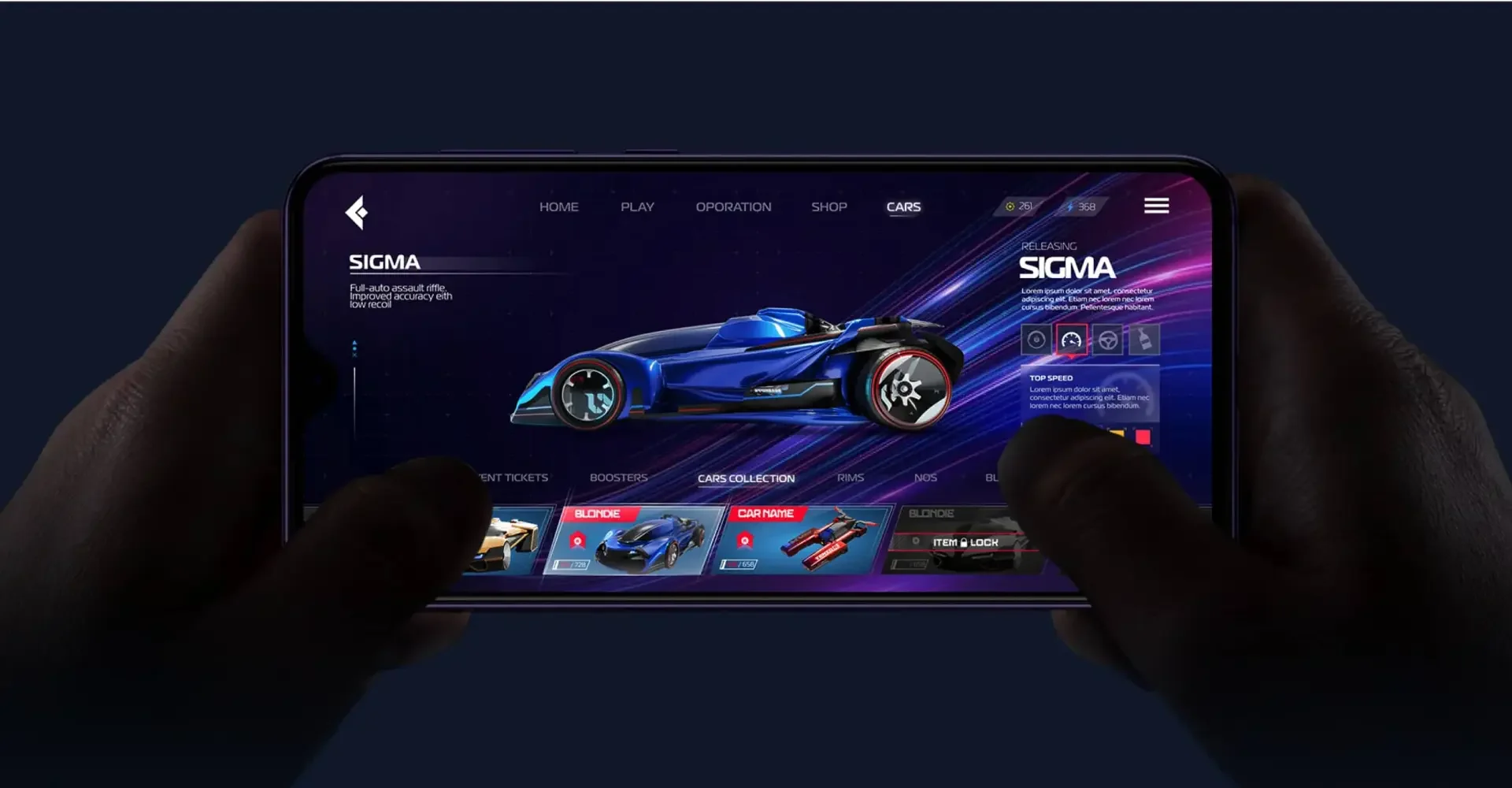
- Upgradeable cars, not static collectibles. A car is something you improve in the garage and view in 3D and AR/VR, so ownership reads as progression rather than speculation.
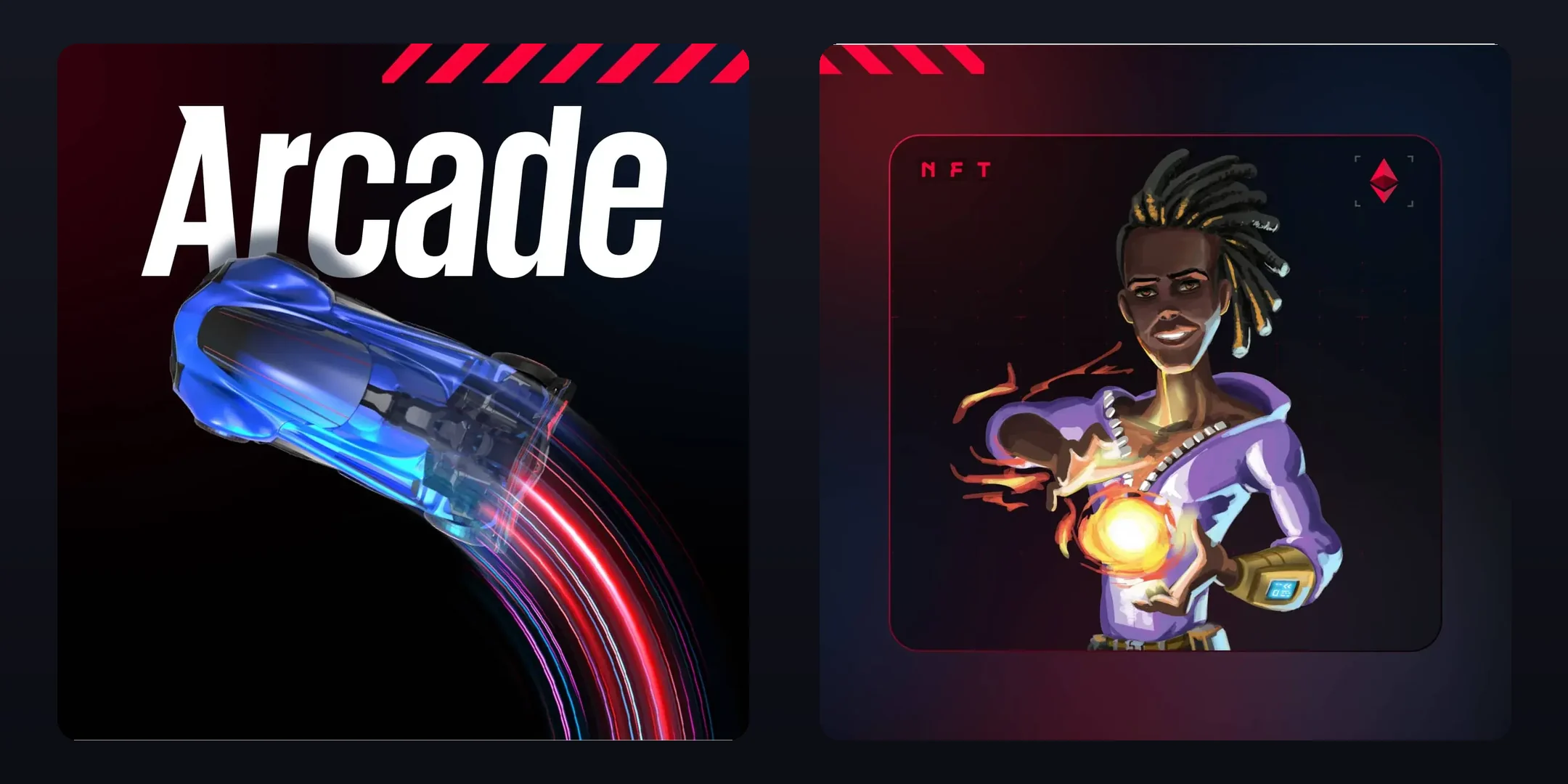
- Progression you can see. Collectibles and status are shown where a player is already looking, not buried in an inventory.
- Three audiences, one front door. The site works for a gamer looking for a trailer, a collector heading to the marketplace and an investor reading the tokenomics, without any of them feeling like a visitor on someone else's site.
Build
I designed and built the Nitro League marketing website and led front-end development of the Nitro Arcade web app in Next.js against blockchain APIs and a Node.js backend. Designing and building the same product meant the connection-loss, pending-transaction and wallet-not-connected states got the same care as the happy path.
Outcome
The MVP design and investor demo experience contributed to $5M raised within three months of launch. Strategic NFT sales drove awareness ahead of the token launch, and the platform shipped with the marketplace, tournament system, upgradeable NFTs and reward engine. The usability loop stayed in place after launch.
What I took from it
The best Web3 UX is the kind nobody notices. Every time the blockchain surfaced in the language, we lost players; every time it disappeared behind a game concept they already understood, we kept them.